
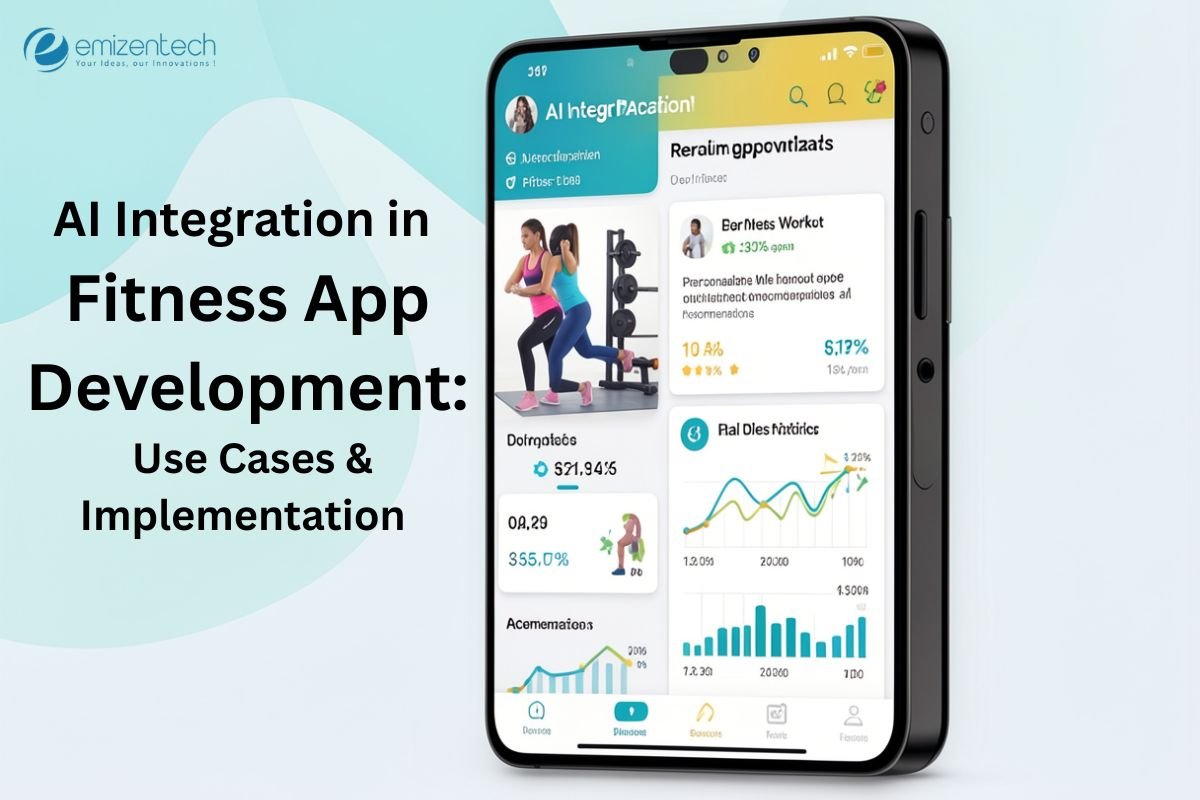
AI Integration in Fitness App Development: Use Cases & Implementation
AI is no longer an experimental add-on in fitness apps—it has become a core component of how modern platforms operate. In competitive markets like the USA, users expect apps to understand their behavior, adapt to their needs, and provide meaningful insights rather than just tracking data.
This shift has made AI integration essential for businesses that want to build scalable, engaging, and future-ready fitness products. Instead of offering static plans, AI-powered apps continuously learn and evolve, delivering a more personalized and effective user experience.
Why AI Is Transforming Fitness App Development
Traditional fitness apps were largely built on fixed workflows—predefined workout plans, manual tracking, and limited interaction. While functional, these apps often struggled with long-term engagement because they lacked adaptability.
AI changes this by enabling apps to analyze user data such as activity patterns, preferences, and performance history. This allows the system to respond dynamically, offering suggestions and adjustments in real time. As a result, users feel that the app understands their journey, which significantly improves retention and satisfaction.
Key Use Cases of AI in Fitness Apps
AI is applied across multiple layers of a fitness app, from personalization to real-time interaction. These use cases define how modern apps deliver smarter experiences.
Personalized Workout Recommendations
AI allows apps to generate workout plans tailored to individual users. These plans are not static—they evolve based on user progress, consistency, and feedback. This ensures that users are always challenged appropriately without feeling overwhelmed.
Real-Time Performance Tracking
AI processes live workout data to provide instant insights. Whether it is counting repetitions or monitoring intensity, this feature makes workouts more interactive and effective.
Predictive User Behavior Analysis
AI can identify patterns that indicate user drop-off or reduced activity. Based on this, apps can trigger reminders, adjust plans, or introduce motivational elements to keep users engaged.
Nutrition and Diet Planning
By analyzing user goals and activity levels, AI can suggest personalized meal plans and calorie targets. This expands the app’s role from fitness tracking to overall health management.
Virtual Coaching and Assistance
AI-powered virtual coaches guide users through workouts, provide instructions, and offer feedback. This creates a more interactive and hands-free experience.
How AI Is Implemented in Fitness Apps
Implementing AI is not just about adding algorithms—it requires a structured approach that aligns technology with user experience.
Defining Clear Use Cases
The first step is identifying where AI adds real value. Whether it is personalization, tracking, or engagement, having a clear objective ensures effective implementation.
Data Collection and Processing
AI depends on high-quality data. Fitness apps must collect structured data such as activity levels, workout history, and user preferences to generate meaningful insights.
Choosing the Right Technology
Different AI features require different models. Recommendation systems, predictive analytics, and computer vision all rely on separate technologies, making technical decisions critical.
Integration with User Experience
AI features must be seamlessly integrated into the app interface. If users find them confusing or intrusive, they lose their value.
Ensuring Scalability
As the app grows, AI systems must handle increasing data and user interactions. Scalable infrastructure ensures consistent performance without delays or failures.
For businesses looking to build advanced solutions, working with experts in fitness app development helps ensure that these systems are implemented effectively.
Benefits of AI Integration in Fitness Apps
AI integration brings measurable improvements across user experience and business performance.
- Enhanced personalization that adapts to each user
- Improved user retention through dynamic engagement
- Smarter recommendations based on real data
- Increased efficiency in achieving fitness goals
- Better monetization opportunities through premium features
These benefits make AI one of the most impactful investments in modern fitness app development.
Challenges in AI Integration
Despite its advantages, AI integration comes with certain challenges that businesses must address carefully.
Data privacy is a major concern, especially when dealing with sensitive health information. Apps must follow strict security and compliance standards to protect user data.
Additionally, AI development requires technical expertise and higher initial investment. Poor implementation can lead to inaccurate recommendations, which may reduce user trust.
Balancing innovation with usability is also critical. Overcomplicating the app with excessive AI features can negatively impact user experience.
Future of AI in Fitness App Development
The future of AI in fitness apps is focused on deeper personalization and predictive intelligence. Apps will move from reactive systems to proactive ones—guiding users before issues arise rather than responding after.
Integration with wearables, smart devices, and health ecosystems will further enhance data accuracy. Over time, AI will enable fitness apps to act more like intelligent health companions rather than simple tracking tools.
Conclusion
AI integration has become a defining factor in modern fitness app development. It enables apps to deliver personalized, adaptive, and engaging experiences that align with user expectations.
Businesses that invest in AI are not just improving their apps—they are building scalable platforms that can evolve with users and remain competitive in a rapidly growing market.
FAQs
What is the role of AI in fitness app development?
AI helps fitness apps deliver personalized experiences, real-time feedback, and predictive insights based on user behavior and data.
What are the most common AI features in fitness apps?
Common features include workout recommendations, performance tracking, nutrition planning, virtual coaching, and behavior prediction.
Is AI integration necessary for fitness apps today?
Yes, AI is becoming essential for improving engagement, retention, and overall user experience in competitive markets.
How does AI improve user retention?
AI adapts content and recommendations based on user behavior, keeping the experience relevant and reducing drop-offs.
What challenges come with AI integration?
Challenges include data privacy concerns, higher development costs, and the need for accurate implementation to maintain user trust.







0 Comments